
From the shelves of a Johannesburg library to the discipline of ballet, the intimacy of cinema and the swagger of football culture, South African Fashion Week challenged the idea that fashion needs a catwalk to make an entrance.
At the Autumn/Winter 2027 showcase, some of the most compelling presentations looked beyond the familiar procession of models, lights and front-row spectators, and instead explored what happens when fashion enters spaces with their own histories, audiences and cultural codes.
This created a different kind of spectacle, where the setting wasn't simply a backdrop for the clothes, but rather a part of the story.
ALSO READ: The next big thing: SA Fashion Week’s New Talent Search
David Tlale's library of possibilities
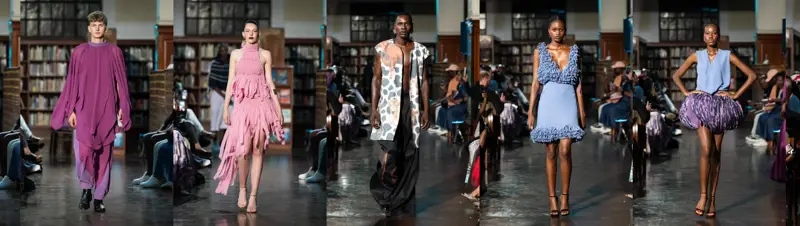
David Tlale’s Restoration collection found an unexpectedly fitting home at the Joburg City Library.
Between rows of books, Tlale transformed a vault of knowledge into a stage for contemporary homegrown fashion.
Libraries preserve the past while making knowledge available to the next generation, an idea that resonated with Tlale’s emphasis on heritage, craftsmanship and emerging talent.
Bold silhouettes, richly textured fabrics and cultural references brought drama to the historic surroundings.
The show also featured young designers through Interns by DT, making the idea of restoration as much about nurturing future talent as revisiting creative roots.
There was something particularly powerful about this happening in the CBD.
Rather than transporting fashion into another purpose-built luxury venue, Tlale brought the spectacle to a space woven into Johannesburg’s civic life.
The clothes commanded attention, but so did the building, and the possibilities of reimagining places the city already owns.
Black Coffee x Joburg Ballet brings a classic twist to the runway
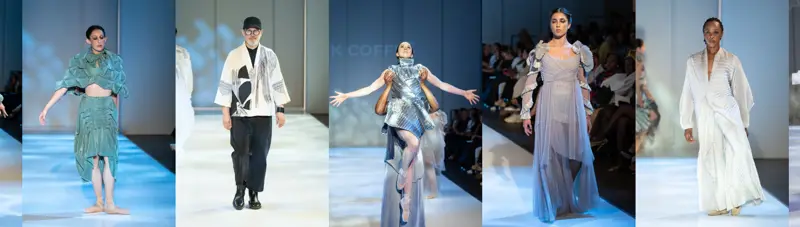
A garment changes when its wearer moves and Black Coffee’s collaboration with Joburg Ballet made that simple truth the centrepiece of its presentation.
The collection by Jacques van der Watt was brought to life through the dancers’ bodies, with choreography by Joburg Ballet soloist Chloé Blair.
Instead of relying on the measured walk of a conventional runway, the show used the physical narration of ballet to reveal the relationship between fabric, form and movement.
A silhouette can look sculptural when standing still, but as soon as you put it in motion, it becomes something else entirely.
The collaboration, which marked Joburg Ballet’s debut at SAFW during its 25th anniversary year, also challenged the boundaries between fashion and performance.
Most importantly, the showcase was a reminder that fashion is designed for living bodies and that sometimes the most revealing way to see a collection is to watch it move.
HELON MELON turns fashion cinematic
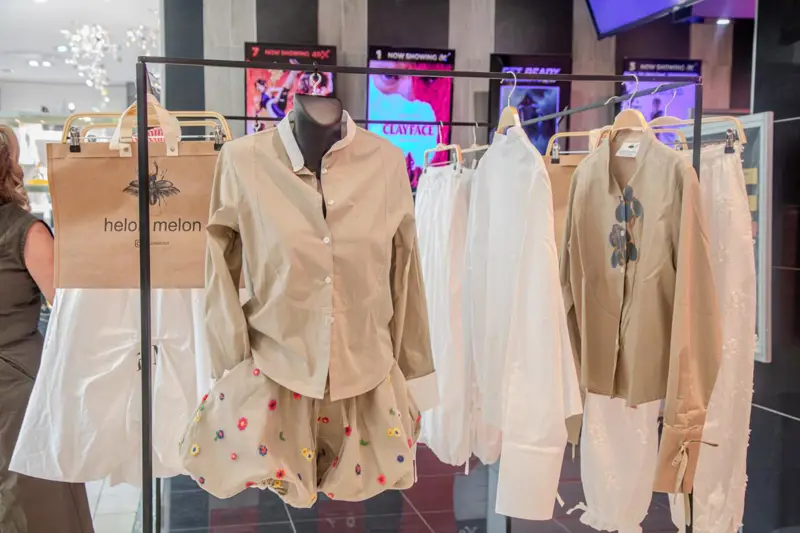
At the Nu Metro cinema, Helen Gibbs traded the conventional runway for a space built around spectacle.
Both cinema and clothing construct identities and invite audiences into carefully shaped worlds, so moving fashion into this environment opened up a different way to think about showcasing a clothing collection.
Instead of treating the show as a simple parade of looks, taking the clothing to the big screen placed it within a broader culture of visual storytelling.
This was an especially relevant choice in an era when fashion is encountered as much through digital screens as it is in person.
The choice of venue raised an interesting question: when presentation matters almost as much as the product, why should the catwalk remain the default?
Orlando Pirates takes style beyond the touchline
Beyond the pitch, football has always been a lifestyle.
The jersey, the colours, the pre-match arrival and the clothes worn in the stands all contribute to the culture surrounding the game.
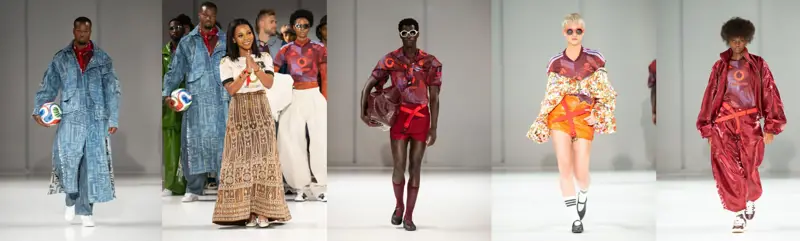
With Field to Fashion, Orlando Pirates brought that culture into SAFW, marking them the first South African Premier Soccer League club to walk the runway.
Designers and stylists, including David Tlale, helped translate the Buccaneers’ identity into a fashion presentation.
Fashion repeatedly borrows from sportswear and street culture, while football supporters have long used clothing to signal loyalty and belonging.
Here, those influences were brought into the same conversation.
Beyond novelty, the showcase widened the idea of who fashion is for.
The runway is only the beginning
Although these four shows approached fashion from different directions, each one questioned the same assumption that clothes need a traditional catwalk to be understood.
At SAFW, architecture became context, dance became interpretation, cinema offered a new frame, and football brought its own cultural language into the world of fashion.
When the setting deepens the story, fashion bridges the gap between design and the world around it.
This season, the runway expanded into the places and passions that make South African culture so distinctive.
Never miss a major story. Get breaking news and the latest developments from South Africa and beyond as they happen.


