

African National Congress (ANC)
The ANC has yet to name its metro mayoral candidates ahead of the 4 November elections, with the following as its Buffalo City frontrunners:
1. Princess Faku, 44, chairs the ANC’s Dr WB Rubusana region and became Buffalo City mayor in March 2023, after predecessor Xola Pakathi’s recall. She previously served as deputy mayor. She promises to focus on the economy, infrastructure and an accountable administration.
2. Ncedo Kumbaca is a former journalist and Eastern Cape roads and transport spokesperson. He headed Buffalo City’s engineering services portfolio and, as a proportional representation councillor (Ward 20 councillor). In the ANC, he was Dr WB Rubusana Regional Treasurer and held various ANC Youth League positions.
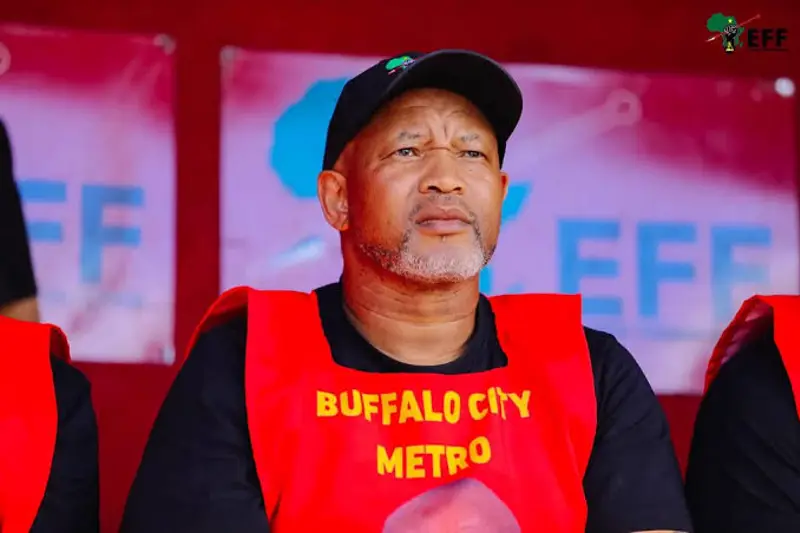
Mkhululi Dlevu: Economic Freedom Fighters (EFF)
The Person
Born in Gqeberha and raised in Zwide. He has worked as an ICT programme and project manager, business analyst and technology consultant across public institutions and the private sector. He rose from EFF branch leadership in Buffalo City to the party’s Central Command Team.
The Message
EFF candidate Dlevu contends residents have been misled for more than 30 years and sold a dream, and that the problem has moved beyond mismanagement to looting. The party is aiming higher than a seat at the coalition table. Its stated aim is to unseat the ANC outright, and Dlevu argues residents will not regain their dignity under the ANC.
The Agenda
Crime is high on Dlevu’s agenda. He argues that criminals act freely because the ANC lacks political will, and points to 80 law enforcement officers for 851,000 residents.
He would hire more officers to create jobs, introduce highway patrols and install CCTV at busy intersections and in townships.
He proposes a municipal skills audit to place the right people in key positions, internships and entrepreneur incubators through partnerships, and insourcing paid from municipal budgets rather than private profit. Improved technology would end guesswork on bills, improve service delivery and monitoring systems would guard against theft.
The Challenge
The EFF has grown by 4.09 percentage points, from 7.97% in 2016 to 12.06% in 2021. But an outright majority remains a steep climb in an ANC stronghold, where the party took 59.4% of the vote and 61 of 100 seats. The EFF holds 12 seats and the DA, 20. A fragmented anti-ANC vote has historically kept the status quo intact, and now the MK Party enters as a new contender.
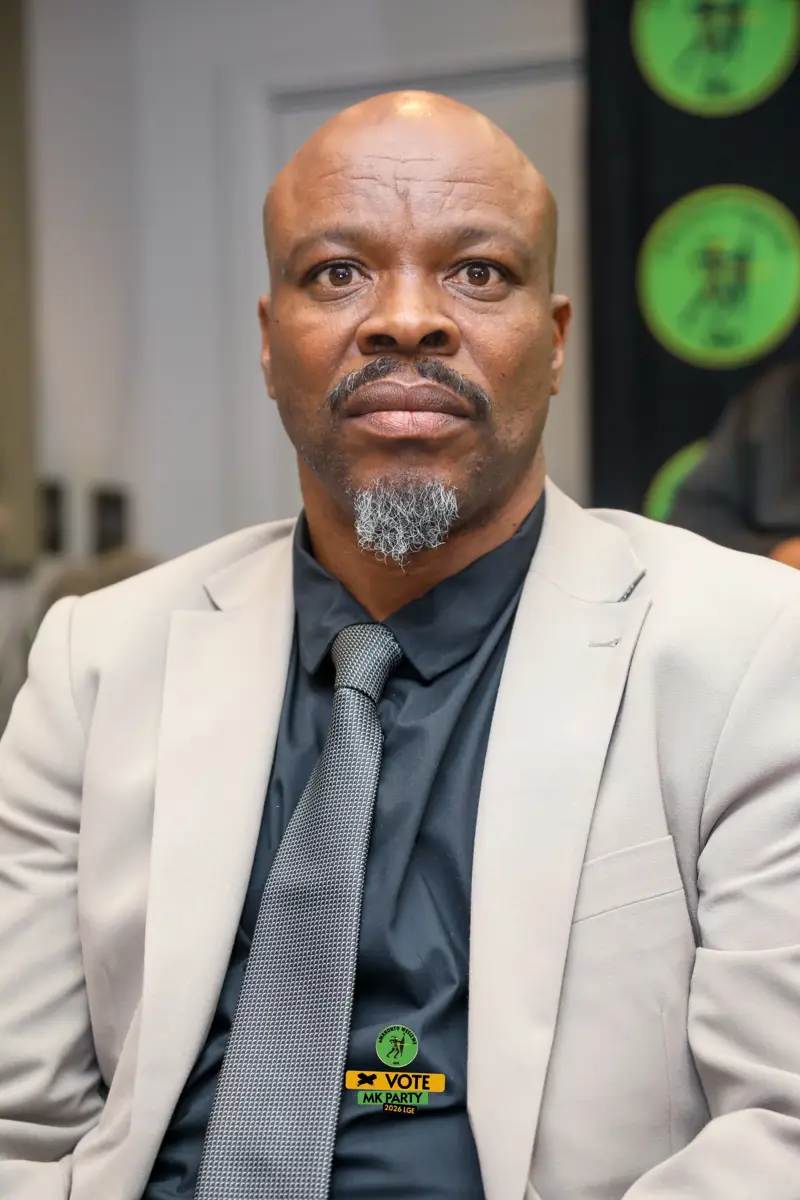
Mzwandile Vaaiboom: uMkhonto WeSizwe (MK) Party
The Person
Mzwandile Vaaiboom was drawn into politics at 13 in 1986 through a village youth organisation, which introduced him to the anti-apartheid struggle.
He joined the ANC in 1991, became a Buffalo City councillor in 2011 and was named the party’s metro chief whip in July 2015. In October 2023 he left the ANC for Isanco, a SANCO breakaway, becoming its Eastern Cape provincial leader. He was Isanco’s 2024 Eastern Cape premier candidate before re-emerging as the MK Party’s mayoral candidate.
The Message
Vaaiboom is campaigning on experience. He argues Buffalo City needs change and that he knows the job. His pitch to voters is that a vote for the MK Party is not a wasted one, and that the party offers commitments, not promises. He rejects the label of regional or Zulu nationalist movement, insisting MK is a national liberation movement founded on ubuntu.
The Agenda
Vaaiboom’s priorities are billing, water and sanitation, and housing. He promises to fix billing inaccuracies and corruption, and to stop water leaks and sewage spills.
Over sewage flowing from the Schornville plant into the Buffalo River, Vaaiboom lodged a complaint.
A year later, in February 2026, police confirmed a criminal investigation. By his account, it names the mayor, speaker, city manager and accounting officers.
On housing, he alleges favouritism in beneficiary lists, which pushed him to join the MK, and wants the municipality and government departments to cooperate on the backlog.
He would deploy rapid-response teams to directly address and resolve urgent community service-delivery complaints across the metro.
The Challenge
Vaaiboom acknowledges that MK is effectively operating as the “elections missionaries” and has yet to establish permanent leadership structures in Buffalo City. Can a party without those structures run a complex metro?
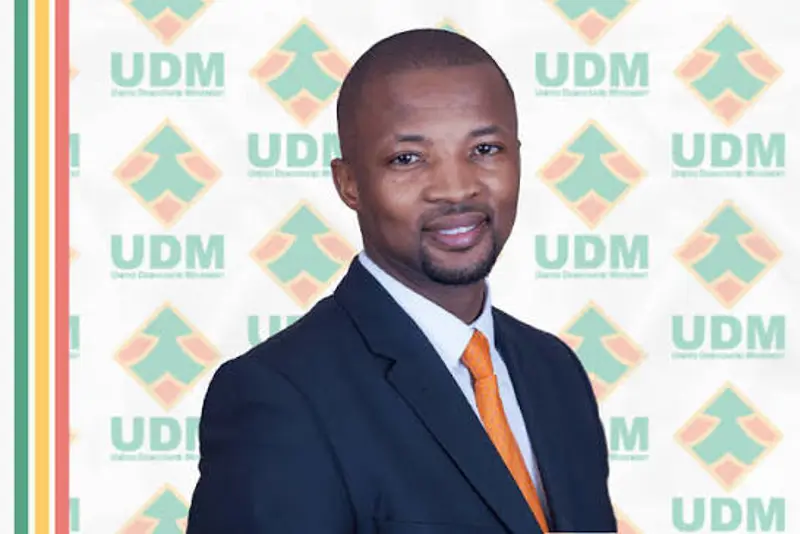
Nqabayomzi Kwankwa: United Democratic Movement (UDM)
The Person
UDM deputy president Nqabayomzi Kwankwa was born in Middledrift, now iXesi, in the Eastern Cape. He completed a postgraduate degree in economics at Unisa, a management executive programme at the University of Pretoria and financial management studies. He built a banking career from 2002. A former ANC member, he left the party in 2006 and resigned from banking in 2009 to pursue politics. He became an MP in 2013 and chief whip in 2014, and was re-elected in 2019 and 2024.
The Message
Kwankwa is pitching the UDM as a credible alternative government, not an opposition party chasing extra seats. He casts it as pragmatic and hands-on rather than performative, with a clean record.
If elected, he says, he will hire on competence, not party membership, and will not risk his reputation or the party’s. Voters, he argues, have made up their minds: they do not want the ANC.
The Agenda
Kwankwa’s campaign is focused on addressing severe infrastructure decay and administrative shortcomings within Buffalo City Metro. Key priorities:
Fix the finances. A municipal financial recovery plan is one of his top priorities. Without one, he says, the metro cannot deliver services consistently. Better services would encourage residents to pay their bills, which in turn would grow revenue collection and improve finances.
Professionalise the metro. He would hire based on competence and close the skills gap. He blames collapsing infrastructure on a lack of project management capacity and water engineers.
Create local jobs. He would revive key economic zones, such as the Dimbaza Industrial Park near Qonce.
The Challenge
The UDM holds one proportional representation seat and no ward seats in Buffalo City’s 100-seat council. Kwankwa is confident a decade of work in the metro will pay off at the polls. Yet the party has struggled to grow its support beyond 1% of the vote in BCMM. Some may argue that its backing is concentrated in pockets such as Duncan Village, where it finished second in June’s by-election, and that it lacks the city-wide support needed to win the metro.
Never miss a major story. Get breaking news and the latest developments from South Africa and beyond as they happen.


