

As South Africa prepares for the 4 November local government elections, some blind and visually impaired residents in Bloemfontein say they remain uncertain about how to register, access voter assistance and cast their ballots independently.
While the Electoral Commission of South Africa (IEC) has introduced measures to make voting more accessible, the experiences of residents spoken to by Eyewitness News raise questions about whether voter education and support are reaching everyone who needs them.
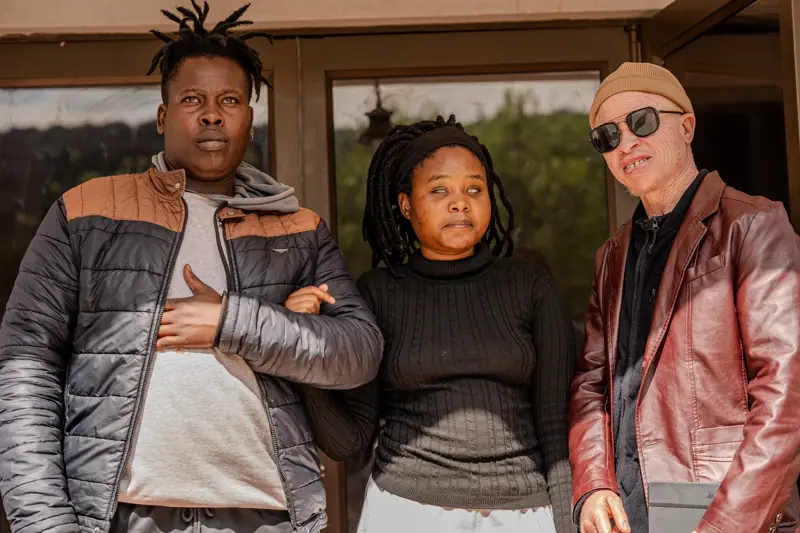
Cynthia Makandela, who has been blind for nearly 30 years, says she has never voted and does not know where to begin.
“No, my honest answer is no. No one has spoken to me about voting. I don’t even know where I would start if I had to vote locally. I feel like the information is not readily available. I do not know if it is like that for both blind people and sighted people, but I know it’s not really available for me as a blind person,” she says.
Makandela says she wants to participate in the democratic process, but the lack of information has left her feeling excluded.
FEAR OF LOSING INDEPENDENCE AT THE BALLOT BOX
For another Bloemfontein resident, who has asked to remain anonymous, the concern is not about voting for the first time, but whether she will still be able to do so independently.
The 48-year-old has voted before, but her eyesight has deteriorated significantly. She says she is now anxious about navigating the ballot and maintaining the privacy of her choice.
“I am scared; my situation has taken a turn for the worst. When I could see, I was a confident voter but now that I am blind, I don’t know who to vote for, where or how. How will I even see the ballot?”
Her concerns highlight the importance of ensuring that voters who acquire or experience worsening visual impairments are aware of the assistance available to them.
RESIDENTS AT DISABILITY CARE HOME SAY THEY FEEL OVERLOOKED
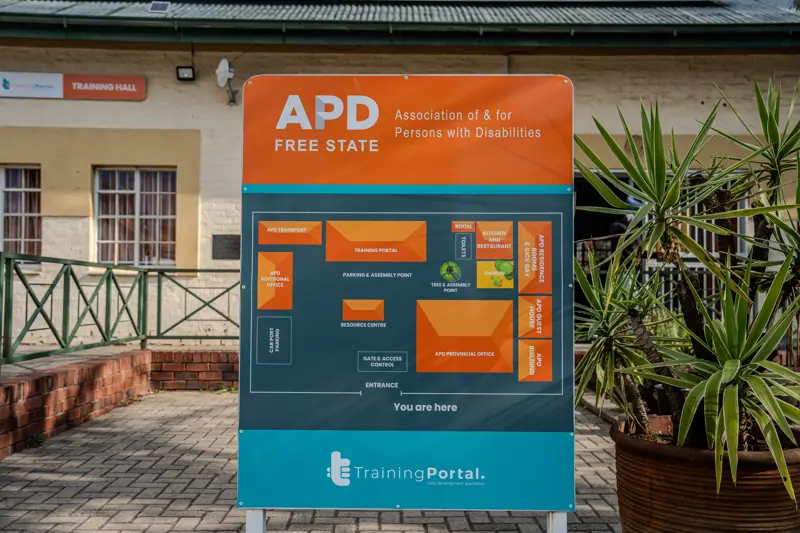
Residents at a care home run by the Association for Persons with Disabilities in Bloemfontein say they were not visited by IEC officials during voter registration weekends.
Many residents rely on caregivers and may face additional barriers when accessing registration services, voter education and polling stations.
Resident Oupa Seakgwa said residents have struggled to get information about the process.
“It is very difficult to approach them, I am confused about where to go, I have to personally call them with my own airtime to ask them why you are not coming this year. There are so many people living with disabilities in the Free State and they are struggling,” he says.
The residents’ concerns centre on whether they are receiving the practical assistance and information needed to exercise their democratic rights.
WHAT ASSISTANCE IS AVAILABLE TO BLIND AND VISUALLY IMPAIRED VOTERS?
The IEC and Blind SA have worked on accessibility measures, including the Universal Ballot Template - a tactile voting aid designed to help blind and partially sighted voters identify the correct space on a ballot paper and vote independently and secretly.
The IEC also has procedures for voters who need assistance at voting stations. Eligible voters can receive help from a companion who meets the commission’s requirements or from an election official, in accordance with its procedures.
Registered voters who are physically unable to reach their voting stations can also apply for a special vote at home. These applications must be approved, and voters must meet the applicable requirements.
The IEC has also undertaken voter education and outreach initiatives, including training members of Blind SA to use the Universal Ballot Template.
However, the experiences shared with Eyewitness News suggest that awareness of these measures remains a key concern for some residents.
ENSURING NO VOTER IS LEFT BEHIND
The accounts from Bloemfontein point to different barriers facing people with visual impairments and other disabilities. Some need information about registration and voting procedures, while others require practical support to cast their ballots independently.
For Makandela, the issue is about being recognised as an equal participant in the country’s democracy. For the 48-year-old voter, it is about retaining the confidence and independence she once had at the ballot box.
As election day approaches, the challenge is not only to provide accessible voting tools, but also to ensure that people know these tools exist and understand how to use them.
The IEC’s accessibility measures are intended to support inclusive participation. The experiences of these residents underline the importance of effective outreach so that people living with disabilities can exercise their right to vote with dignity, independence and privacy.
Never miss a major story. Get breaking news and the latest developments from South Africa and beyond as they happen.


