1.DOCUMENTS NEEDED TO REGISTER.
Voters must bring: Smart ID card, Green barcoded ID book or Valid Temporary Identity Certificate.
Proof of address is not required, although voters must provide sufficient details about where they ordinarily live so they can be placed in the correct ward.
2.REGISTER WHERE YOU WILL BE ON ELECTION DAY.
Students and anyone temporarily living away from home should register where they expect to be on election day.
For example:
If a student expects to be on campus on 4 November, they should register using their campus address.
If they expect to be home after exams, they should register using their home address.
3.ELECTION DATES
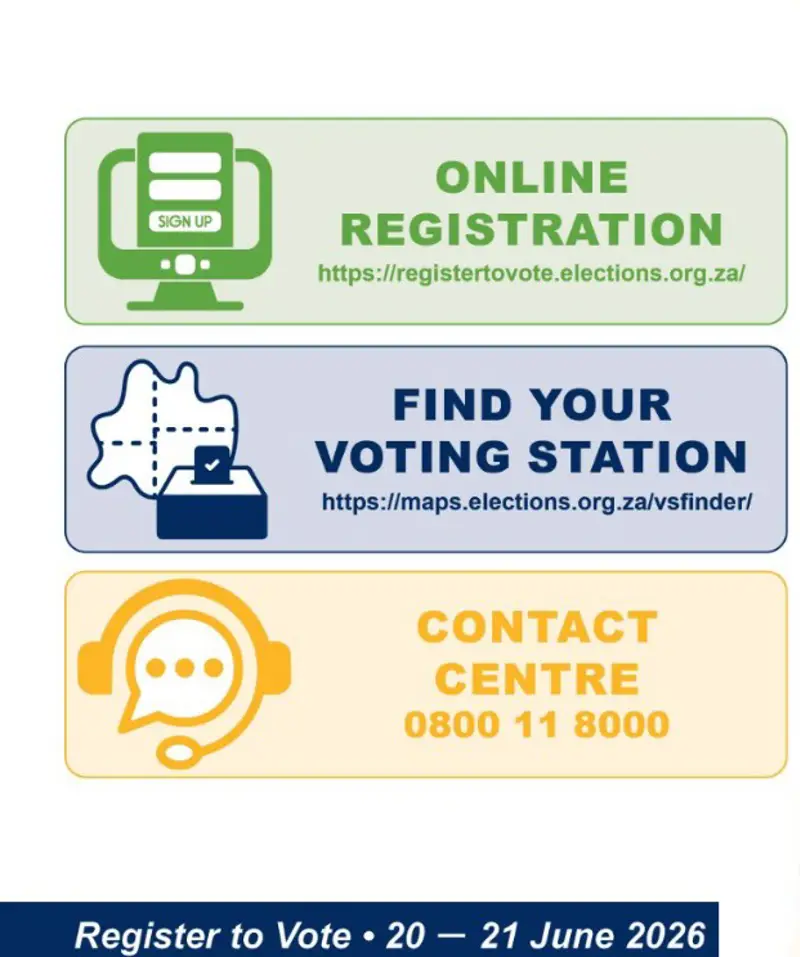
Registration weekend: 20–21 June 2026
Polling stations open: 08:00–17:00
Local government election: 4 November 2026
4.ONLINE REGISTRATION PORTAL READY
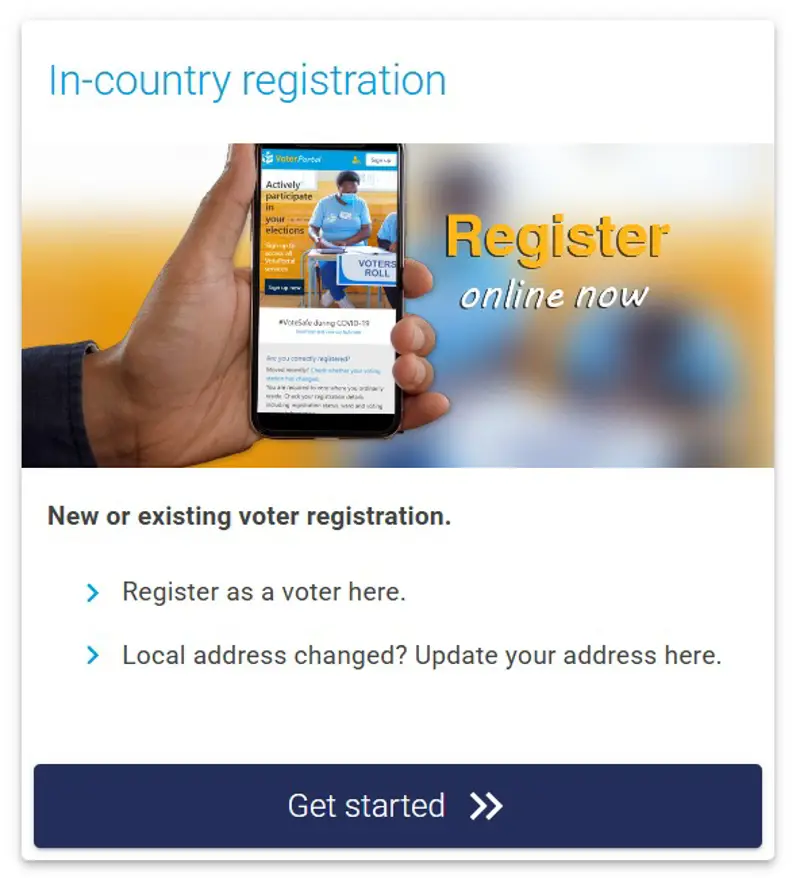
The IEC said eligible South Africans can register or update their details online through its Voter Information Portal at registertovote.elections.org.za, using a green barcoded ID, smart ID card or valid temporary ID certificate
5.MUNICIPAL ELECTION RULES
Voters must vote where they are registered. There is no provision to vote outside your registered voting district. Required documents: Smart ID card, Green ID book or Temporary ID certificate.
In order to register, you must be a South African citizen and be at least 16 years old (you can only vote from age 18) and have a green, barcoded South African identity document (ID), smartcard ID, or a valid Temporary identity certificate (TIC).
The voters' roll currently stands at just over 28 million registered voters, up from 27.7 million during the 2024 national and provincial elections, despite the roll losing around 34,000 voters every month due to mortality.
The IEC has deployed: 23,706 registration stations, comprising: 22,718 permanent stations, 960 temporary stations, 28 mobile stations, 39,000 voter management devices.
Chief Electoral Officer Sy Mamabolo has urged all eligible South Africans to either register to vote or update their registration details, particularly their residential addresses, as local government elections require voters to vote in the ward where they are registered.