
Tuesday marks the 50th anniversary of the Soweto Uprising, a day still etched in the memories of many South Africans.
As South Africans commemorate this day, many feel its true meaning is slowly fading from the nation's collective memory.
‘He had no weapon. He had nothing’ – June 16, 50 Years Later
Video · Brightcove player not connected in this prototype
While many celebrate it, this day is not merely another public holiday. It commemorates the courage, sacrifice and defiance of the thousands of students who took to the streets of Soweto in 1976 in protest against the apartheid government's decision to impose Afrikaans as a medium of instruction in schools.
At the time, English was gaining prominence as the language most commonly used in commerce and industry. The Afrikaner-dominated government intended to force the decline of the language among Black Africans.
On the morning of 16 June 1976, students walked from schools across Soweto, intending to converge at Morris Isaacson High School before making their way to Orlando Stadium. Armed with nothing but determination and hope, the young people stood face-to-face with a brutal system designed to silence them.
They marched not only against an education policy but against an oppressive regime that sought to suppress their voices, dreams and futures.
Unfortunately, the students never reached Orlando Stadium, where they were due to hand over their memorandum of demands to the government. Police used tear gas and batons for crowd control, and what was meant to be a peaceful protest descended into chaos as officers began shooting at protesters, killing many of them.
Among those shot were 15-year-old Hastings Ndlovu and 12-year-old Hector Pieterson.
The uprising sparked unrest across many parts of the country, with more than 600 people killed in violence by the end of 1977.
Fifty years later, some people who lived through that day, and others who continue to honour it, believe its significance is being lost.
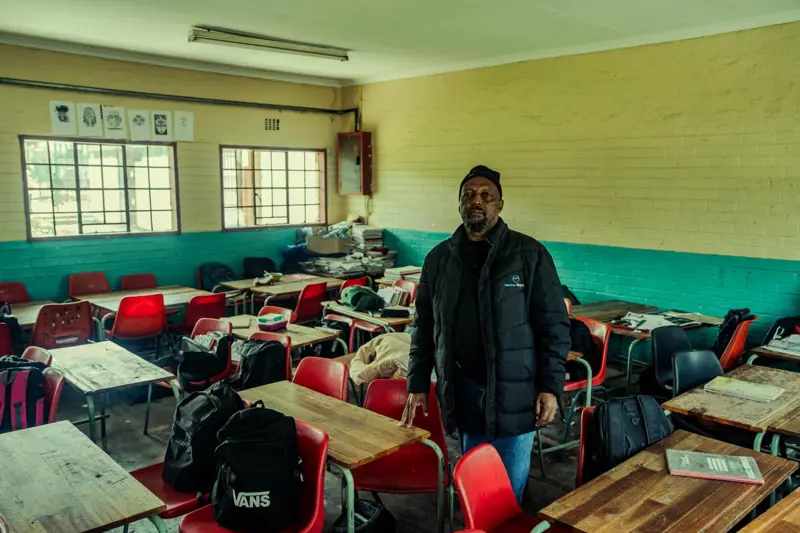
Nkateko Mabasa, a welder from Zola in Soweto, said the day is no longer observed in the spirit it deserves.
"This day is not commemorated the way it should be. It is such a shame. These children get drunk. We have forgotten the people who fought for us to enjoy these freedoms."
For him, Youth Day should be a moment of reflection and a reminder of the price paid by young people who sacrificed everything so future generations could enjoy the freedoms they have today.
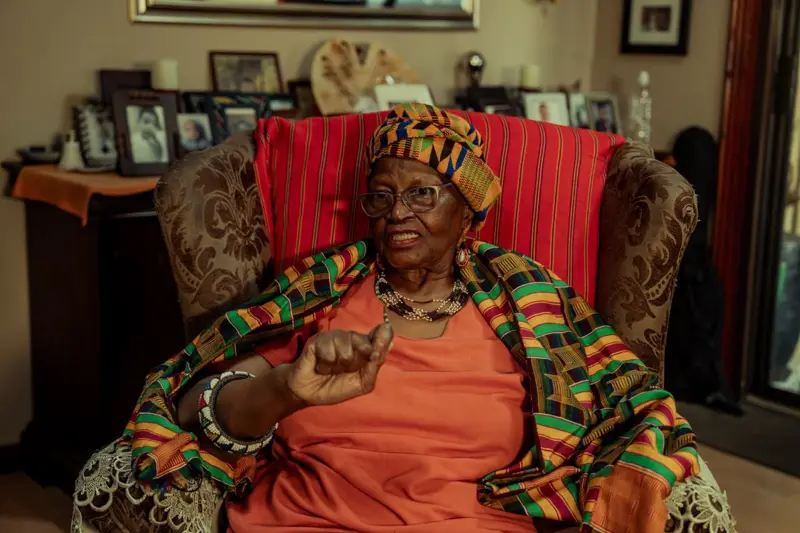
Another Soweto resident, Lesedi Zikode, shares the same concern.
"It is such a pity that the 1976 youth risked their lives for this nonsense. We have forgotten. We just wear a school uniform and think that everything is done."
She adds that many South Africans have drifted away from the day's true purpose.
"We just drink and move on. We don't even know our history. This day is to remember, but we have forgotten. It's disgusting."
Their sentiments raise a potent question: Has Youth Day become more of a celebration than a commemoration?
Others, however, do not believe so.
Zinhle Thabethe from Orlando East said: "The fact that we have museums and movies means that the memory of those who passed during the uprising still lives on. We can never forget; we are not allowed to forget. The fact that journalists still write stories and keep that story alive means we can never forget."
For many, 16 June should be a time to honour the bravery of those who stood up against injustice. It should be a day to remember the young lives cut short and the countless others forever changed by the events of 1976.
As South Africans mark the 50th anniversary of the Soweto Uprising, the challenge remains whether the nation will simply celebrate it as another public holiday or pause to remember the voices of the generation that changed the course of history.


